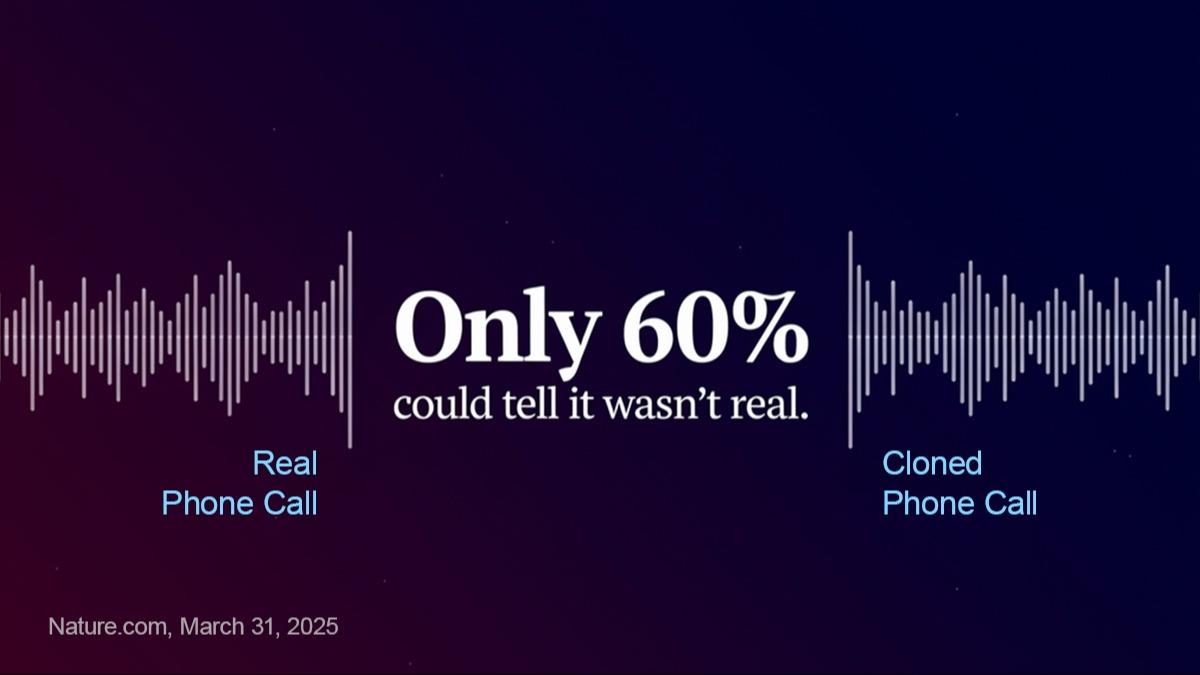
Would You Know If a Scammer Was Using Your Daughter's Voice?
A mother in California picked up her phone last spring and heard her daughter's voice, panicked, saying she had been kidnapped and needed money sent right away.


A mother in California picked up her phone last spring and heard her daughter's voice, panicked, saying she had been kidnapped and needed money sent right away.
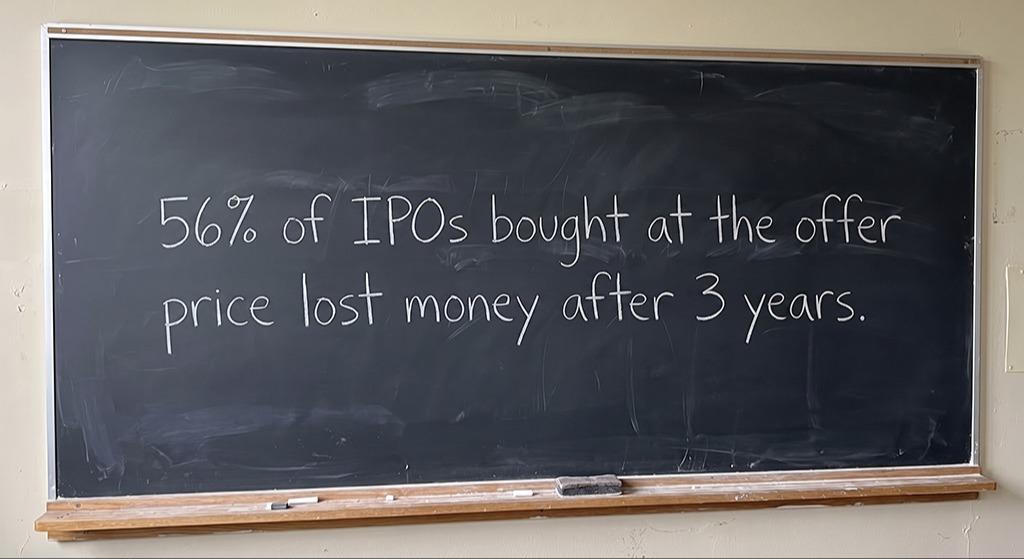
When a company that most people recognize goes public, suddenly it's everywhere. Media coverage spikes. Everyone is talking about the opportunity, and that conversation itself becomes part of the appeal. It feels like a moment, like something worth catching.
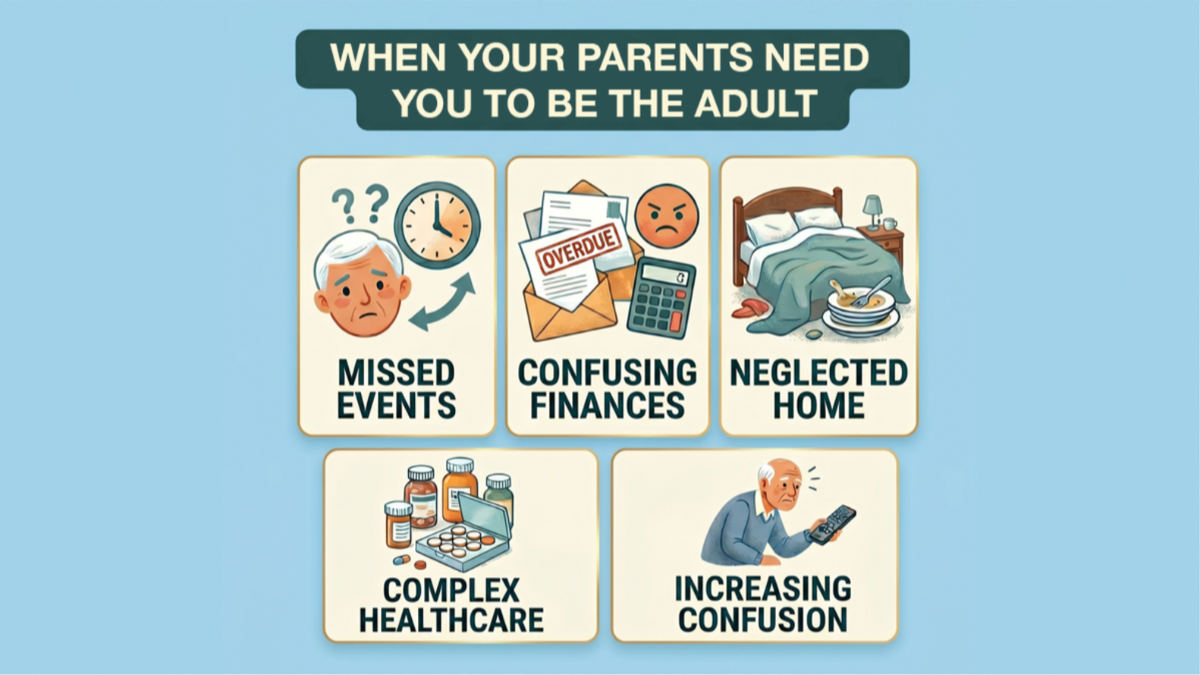
There is usually no single moment when the roles begin to shift. It may be a confusing medical bill. A missed payment. A scam text they almost clicked. A question about an account they have had for years. A conversation where they sound like themselves, but not quite as sharp as they used to.

Studying abroad is one of the most formative investments a family can make. The financial side, however, often gets less attention than it deserves. In the most recent academic year, 298,180 U.S. students studied abroad for academic credit, a 6 percent increase from the prior year.

The federal estate tax exemption remains at an all-time high. For some families, that is genuinely good news. But it may also be creating a false sense of security, especially if you live in one of the states that sets its own rules or if your estate strategy was written before the law changed.
A new federally created savings account for American children launched on July 4, 2026, when Trump Accounts began accepting contributions. The accounts were formally established under Section 530A of the Internal Revenue Code as part of the One Big Beautiful Bill Act.